Nutrition guide
High Fiber Foods
Dietary fiber is the indigestible portion of plant foods, associated in mainstream nutrition guidance with digestive health, satiety, and glycemic control. A common adult target is roughly 14 g per 1,000 kcal consumed (often quoted as 25–38 g/day). Seeds, legumes, and whole grains dominate a per-100g ranking; meat, fish, eggs, and dairy contain essentially no fiber by nature.
Common guidance: ~14 g per 1,000 kcal (≈25–38 g/day for adults).
What counts as “high”?
A food with 5 g+ fiber per 100g is generally considered high in fiber on nutrition labeling conventions (20% of a 25 g daily value). Above 10 g per 100g puts a food in the top tier — typically seeds and dry legumes, which are also calorie-dense for the same reason.
Top 10 by fiber per 100g
See the full ranking of all 27 foods →
Common questions
Which foods have the most fiber per 100g?
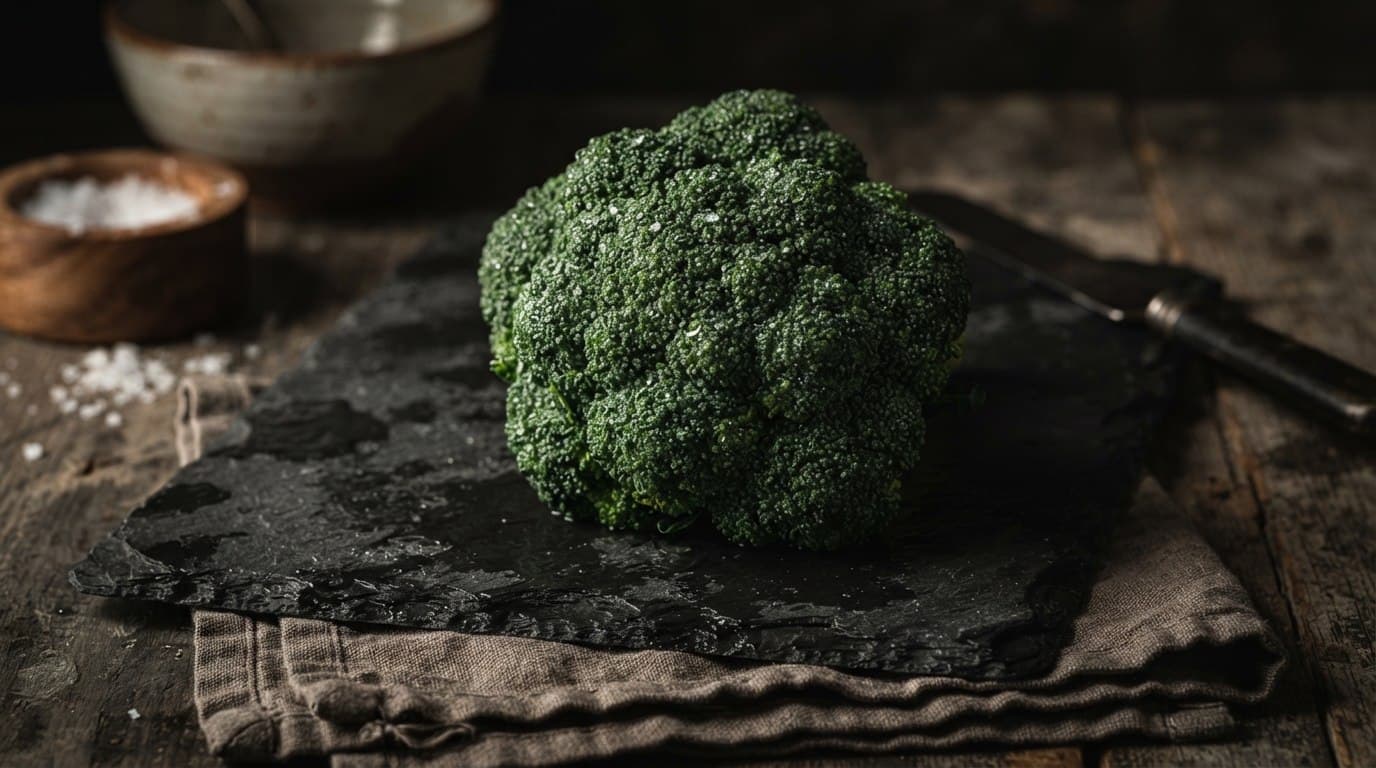
Seeds (chia, flax, pumpkin) and dry legumes (lentils, chickpeas) lead the ranking at 10–34 g per 100g. Vegetables like broccoli deliver less per 100g but are eaten in larger servings.
Do any animal foods contain fiber?
No. Fiber is a property of plant cell walls. Meat, fish, eggs, and dairy contain no dietary fiber, so they are absent from this ranking rather than shown as zero.
Should I get fiber from foods or supplements?
Mainstream guidance favors food sources, which deliver fiber alongside other nutrients. This page shows which foods carry the most measured fiber per 100g.
All values from USDA FoodData Central per 100g edible portion. Rankings reflect measured content, not typical serving sizes or absorption differences.